

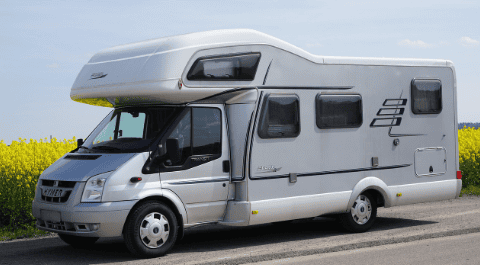
Lifestyles change. Needs change. If your RV no longer fits your family’s needs, trading it in can be a great option. Trading in your current RV for a new one can sidestep some of the hassle of trying to sell privately while also providing potential tax savings. You’ll immediately get access to the newest camping innovations without dealing with indecisive and unreliable buyers or complicated sales. At Cheyenne Camping Center in Walcott, Iowa, we’ll help you understand how trade-ins work, so you can get the new RV you want.
Why Consider Trading In Your RV for a New Camper?
New campers come packed with updated tech, including Starlink Roam satellite internet that works in remote destinations. Current models also have 360-degree camera systems that eliminate blind spots and touch screen controls for everything from lights to temperature. These tech enhancements make camping even more comfortable.
Safety features are key in today’s campers, and typically include cloud-connected dashcams, GPS tracking, wireless alarm systems, and carbon monoxide detectors. Driver-assistance features and stronger construction create tougher, more durable homes-on-wheels.
Many newer models have shifted from propane setups to electric appliances powered by solar panels and lithium-iron-phosphate batteries. This means more affordable operating costs plus reliable off-grid power.
Assessing the Value of Your Current RV
Dealers will check your RV’s age, condition, mileage, brand reputation, and market demand to determine its trade-in value. You can use the National Automobile Dealers Association’s four pricing categories to help set realistic expectations: Suggested List Price (the original MSRP), Low Retail (for high-mileage RVs), Average Retail (what dealers typically charge), and Wholesale Value (auction prices, usually 10-20% below Low Retail). You can also research what your current RV model is selling for to help determine a fair price.
Understanding how vehicles depreciate can also guide you in assessing the current value of your camper. RVs lose value in a fairly predictable way, typically dropping about 20% in value the first year, then losing another 3% in year two, 5% in year three, and 7% in year four. After that, things settle down to about 5-10% yearly. Using these percentages according to the year of your RV can provide an estimate of a realistic resale price.
Strategies to Maximize Your RV’s Trade-In Worth
Taking good care of your RV and keeping all your service records is a prime strategy for maximizing your used RV’s trade-in value when it’s time to upgrade. Regular maintenance, fixing damage promptly, and keeping warranties current can slow down depreciation.
Ensure your camper is clean and up to date with maintenance tasks when you bring it to the dealer. Dealers typically spend $2,000 to $5,000 fixing up trade-ins, including repairs, maintenance, new tires, sealing windows, updating appliances, and professional cleaning. Give your RV a thorough scrubbing inside and out, fix minor issues such as loose trim or sticking drawers, replace worn items, and stage it like you’re selling a house. First impressions matter, and a clean, well-maintained RV tells dealers they won’t need to invest as much to resell it, allowing them to offer a better price for it.
Timing can impact your trade-in offer. Summer brings higher prices but fierce competition, while winter offers bargains but limited selection. Fall, especially October, is often an ideal time to trade in your RV, as there’s typically lower customer demand, factory incentives, dealer discounts, and new model transitions. During these months, dealers get more flexible with negotiations and offer better pricing on both trades and new inventory. Planning your upgrade around these seasonal shifts can put more money in your pocket and give you better options for your next RV.
The Financial Advantages of Trading In
Tax benefits alone might convince you to trade in your camper rather than sell privately. Most states only tax the difference between your new RV price and the trade-in value of your old one, creating huge savings opportunities. Trading in a $100,000 RV can save between $5000 and $11,000, depending on the state. Some states with bigger tax advantages include Alabama, Arkansas, Colorado, Louisiana, Missouri, and Oklahoma. These savings often offset whatever extra you might have gotten selling privately.
Trading in your old camper often results in better loan terms for the new one. Your trade value rolls into the new RV loan, creating a better loan-to-value ratio that can drop interest rates. Your current RV equity becomes an instant down payment, improving financing and lowering monthly payments.
Making an Informed Purchase Decision: Choosing Your Next Camper
Picking your next RV means thinking about today’s needs and future adventures. Travel trailers remain popular, as they’re budget-friendly with towing flexibility. Fifth wheels offer roomier spaces, taller ceilings, and better amenities. Class C motorhomes are still very popular and lead the motorized categories.
New RVs offer eco-friendly features that older models can’t match. Current models sport solar panels with inverters, LED lights, lithium batteries, on-demand water heaters, and Azdel composite materials that weigh less, don’t rot, and don’t contain formaldehyde. Look for the Trusted Risk Advisor, or TRA, Certification if going green matters, plus aluminum construction that’s lightweight, tough, and rustproof. Modern energy systems with 220-watt flexible solar panels, 12-volt fridge compressors, and efficient heating, ventilating, and air conditioning systems cut costs while extending off-grid camping.
Preparing for the Transition
Financial preparation is key when transitioning to a new camper. Preapproval gives you bargaining power and speeds up the process. Most RV financial lenders want proof of steady income, debt payments under 36% of your income, and your credit score to be at least 670. Scores in the mid-700s get the best interest rates at around 7% for unsecured loans, but poor credit scores can hit 36%. Secured loans using the RV as collateral offer lower rates and terms up to 20 years for affordable payments. Some lenders offer zero-down options or deferred first payments based on credit and income.
Preparing your paperwork can prevent headaches and delays. Organizing documents such as the vehicle title of your current RV, loan documents (if you still owe money on it), maintenance records, and warranty information can smooth the transition process.
Start Your RV Trade-In Journey Today
Trading in your RV combines convenience, financial perks, and access to new technology that makes camping more fun. At Cheyenne Camping Center, our dedicated staff will guide you through each step of the trade-in process, from getting maximum value for your current RV to finalizing the paperwork on a new one. Visit our Walcott location today to explore our wide selection of top-quality brands and find the perfect new camper for your family’s outdoor getaways.
Camper Hymer Vacations by schlappohr is licensed with Pixabay License