

When winter’s bite gives way to warmer days, it’s time to dust off your camper for this year’s adventures. Getting your RV properly de-winterized is necessary to protect your investment and avoid surprises once you’ve hit the road. Our Blue Compass RV Quad Cities staff has prepared this guide to walk you through every step you need to take, from basic checks to detailed cleaning, so that you can kick off camping season without a hitch.
Understanding the Basics of De-Winterizing
De-winterizing means undoing all the winterization steps you (hopefully) took before the cold season hit. This process addresses several key areas of your RV: the water system needs thorough flushing, engine fluids require checking, and seals need inspection after sitting dormant through winter. These steps are essential to ensuring your camper functions properly on the road.
When temperatures drop below freezing, water trapped in your pipes and tanks expands and can crack your RV’s internal systems. That’s why you add antifreeze to your water supply system. According to camping experts, you should always de-winterize when temperatures have stayed near or below freezing for more than 24 hours. Trust us — being overcautious beats dealing with burst pipes and flooded floors.
Step-By-Step Guide to De-Winterizing Your Camper
Grab your gear first: water pump, hose, bucket, and cleaning supplies. Wear gloves and eye protection when handling chemicals. Start with the exterior. Check for roof damage, cracked windows, worn door seals, and slideout seams. Then inspect the undercarriage, including shocks, running gear, and brakes.
Check your tires carefully. Look at pressure, tread depth, and any sidewall cracks. Test your battery’s charge and, for lead-acid batteries, the water levels. The propane system needs extra care — inspect it for leaks and test each appliance. Don’t skip 12-volt devices and their connections. Your safety equipment, such as smoke alarms, carbon monoxide detectors, and fire extinguishers, needs checking too.
Take your time. If you’re new to de-winterizing, it might take you a couple of hours, but with practice and proper tools, you’ll finish up in 30 to 45 minutes. Double-check everything carefully. Your camping season’s success relies on doing this right.
De-Winterizing the Water System
Your water system needs tender loving care after winter. Start with sanitizing your fresh water tank. Mix one-quarter cup of household bleach for each 15 gallons of your fresh water tank’s volume with water in a 1-gallon plastic container. Add the bleach and water mixture into the fresh water tank and run it through your system. Let this sit for at least four hours (overnight works best) to kill bacteria and algae that may have accumulated during winter.
Next, replace the old water filters and check for leaks. Watch for warning signs such as weak water pressure, unexpected drips, or foul smells. Check connections and look for damaged pipes if something seems wrong. Brittle seals and gaskets might need replacing. Call a pro before minor issues become vacation-wrecking problems.
Flushing Out RV Antifreeze
If your RV was winterized last fall, those pipes contain pink antifreeze. It won’t harm you in tiny amounts, but you surely don’t want to brush your teeth or cook with it. Flushing antifreeze from every line is done by running water through all the faucets, showers, and toilets. Be thorough. Removing every trace of antifreeze is crucial. Connect to city water or use your RV water pump to begin. Open all faucets (both hot and cold), including outdoor spigots. Flush toilets several times, too. Run water until it’s perfectly clear with no pink tint.
Cutting corners here leads to misery. Leftover antifreeze makes coffee taste like chemicals, and showers can smell weird for weeks. Worse, residue can damage your water pump and faucet seals over time. You might need a second round if you still taste chemicals after flushing the system. Some campers use special RV water system cleaners for stubborn cases.
Maintenance Tips for a Smooth Transition
Don’t forget your water heater. Check that it’s not in bypass mode, drain old water, and refill with fresh. Inspect the anode rod for corrosion, and replace it if needed. Your propane system needs careful checking: test for leaks with soapy water, verify the cooktop and oven function, and check tank expiration dates. Many RV owners don’t know propane tanks expire.
Give tires special attention; look for cracks, bulges, or winter damage. Fill them to the pressure on your RV’s sticker, not the tire sidewall. Wash exterior surfaces, clean awnings, remove battery corrosion, wipe screens, and check inside for water damage or evidence of pests.
Set up a simple maintenance schedule, using your phone to remind you about monthly seal checks and lubrication. These quick tasks prevent major problems later. Keep a notebook in your glove box to track all maintenance with dates; this is handy when you’re trying to recall what you fixed and when.
Preventive Measures for Future Winters
Working smart means thinking ahead to next winter even as you’re prepping for summer fun. When camping season winds down, properly winterize everything: drain water completely, add the right amount of antifreeze, and shut down systems correctly. Where your RV is stored also matters; a good breathable RV cover keeps dust and sun damage at bay, and parking on a level surface prevents tire warping. Your tires will thank you.
Make yourself a simple seasonal checklist. Winter comes faster than you think. You should winterize when forecasts show temperatures near or below freezing for longer than a day. Your first winterizing job might take a few hours, but you’ll get faster with practice. Always check your specific RV manual. Manufacturers know their rigs best. Don’t forget practical details such as sealing tiny gaps where mice might enter, taking home all bedding and linens (mice love these), giving the exterior a good wash, and swapping out old filters before storage.
Enjoy a Seamless Transition to Summer Adventures
You now know how to prime your camper for countless miles of fun. Taking time with each RV de-winterizing step guarantees your motorhome stays comfy, safe, and road-ready all season long. The work you put in now pays off all summer.
Whatever your camping style, your freshly prepared RV is ready to make it happen. If you’ve got questions about maintaining your specific RV model or need camping supplies for your next trip, swing by Blue Compass RV Quad Cities in Walcott, Iowa, and chat with our friendly staff. We’re looking forward to seeing you at the campgrounds.
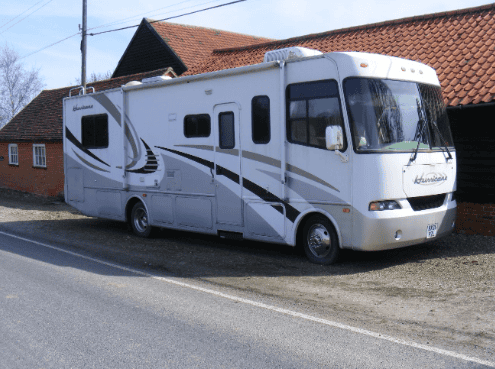
Hurricane USA motor home by Sludge G is licensed with CC BY-SA 2.0