

Nothing spoils a peaceful camping trip like finding unwanted critters in your RV. Ants marching across countertops or mice chewing through wiring can turn your dream getaway into a total disaster. With smart prevention and the right bug and pest control tactics, you’ll keep your RV protected and your travels worry-free. Here are our top RV pest control tips.
Why Pest Prevention Matters for RV Owners
Pest problems cost serious money. Rodents can chew through wiring, insulation, and woodwork, causing significant damage. Most standard RV insurance policies don’t cover rodent damage because it’s considered preventable.
Health risks are also a concern. Rodents carry over 35 diseases and pass parasites to people and pets. Prevention costs less than repairs, making it the smartest choice for keeping your family safe and your RV running.
Common Bugs and Pests Found in Campers
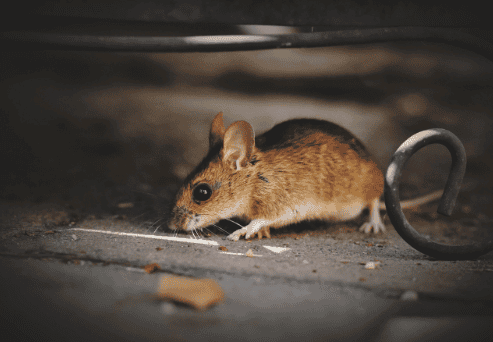
Mice and rats top the troublemaker list. These critters can squeeze through holes as small as a dime. They sneak in through tiny cracks under doors and around pipes, then make themselves at home, gnawing on wires and getting into your food.
Flying bugs are also an issue. Mosquitoes aren’t just annoying. They spread diseases such as West Nile virus and Zika. Flies won’t leave your food alone, while ants will trek across your countertops in search of crumbs. Roaches hide in dark corners spreading germs, termites quietly damage your RV’s structure, bed bugs infest sleeping areas, and ticks lurk in storage spots waiting to spread Lyme disease. Even bigger critters such as raccoons might try moving in during bad weather.
Natural vs. Chemical Repellant Options
Natural pest repellants work great for RVers. Matico is effective at killing larvae, while garlic deters pests and acts as a mild insecticide. Peppermint, citronella, and eucalyptus oils are also effective. Many commercial insect sprays contain lemongrass, rosemary, cedarwood, peppermint, and citronella oils.
Chemical products work faster but have some downsides. Many chemical solutions aren’t pet friendly. DEET sprays protect against mosquitoes for 10 hours but stain fabrics and irritate skin. Picaridin is a suitable option for those with sensitive skin. It provides 12 hours of protection with a light scent and non-sticky feel. Before using a product, consider the environmental impact on campground wildlife. Try natural deterrents first, saving chemicals for tough infestations.
Best Practices for Sealing Entry Points
Inspect your RV’s exterior thoroughly for places where pests can enter. Examine gaps around pipes, vents, hoses, cables, doors, and windows. If a dime can fit through, so can a mouse. Also inspect interior plumbing areas and worn spots.
Steel wool and caulk work great together. Critters can’t chew through this combo. Stuff steel wool into holes and seal with weatherproof caulk. Expanding foam holds steel wool in place and fills gaps. Placing copper mesh over vents is a great way to prevent bugs without disrupting airflow. Always check your RV before and after trips, and perform monthly inspections when it’s in storage.
Cleaning Habits That Help Keep Pests Away
Leaving food and crumbs out in the open in your RV attracts pests such as ants and roaches. Even tiny crumbs can lure in pests from surprising distances. A spotless RV is less enticing for pests and makes it easier to spot early signs of trouble. Wipe up after every meal, clean surfaces daily, and sweep or vacuum often, especially around eating areas.
Your trash needs just as much attention as your kitchen area. Use bins with tight lids and empty them regularly. Don’t let garbage pile up. Keep trash cans away from your camper when possible, and wash regularly to remove smells that attract pests.
Before storing your RV, do a deep clean to remove every trace of food, wash any spots where you saw pests, and hit those hard-to-reach corners. And don’t forget to check for moisture. Pests love damp spots, so fix leaks right away and use dehumidifiers during storage to keep things dry.
Smart Storage Tips To Deter Infestations
Open food packages attract mice and bugs. Store all food (including pet food) in airtight containers and keep perishables refrigerated. Check stored food regularly for signs of infestation. Storing clothes and bedding in high locations can stop rodents from accessing them and using them for nesting. Remove these items when your RV isn’t in use.
Seasonal Considerations: Warm vs. Cold Weather Pest Control
Rodents are often a concern in winter. Rats and mice love breaking into stored RVs during cold months. You’ll need to carefully seal any entry points and strategically place deterrents throughout your RV before storing it for winter. Check it monthly for leaks or signs of pests.
Hot, sticky summers with lots of rain create the perfect breeding ground for mosquitoes, ants, and roaches. Be mindful of standing water in your RV. Just one ounce of standing water can support a population of mosquito larvae. Other pests to watch out for in summer include spiders, flies, ticks, fleas, termites, and stinging bugs such as yellowjackets and wasps.
Keep Your RV Bug-Free With the Right Equipment
The best way to enjoy a pest-free camping trip is to stop bugs and rodents before they invade your RV. Performing regular checks and staying on top of maintenance will help keep pests out.
Don’t wait until you find unwanted roommates to take action. For quality RV gear, supplies, and advice, stop by Blue Compass RV Quad Cities in Walcott, Iowa. We’ll help you find products that work for your specific RV model and camping style. With a little prep and the right tools, you’ll protect your investment and enjoy critter-free adventures.
Image by Ralphs_Fotos is licensed with Pixabay License