

Buying your first RV opens the door to countless adventures on the open road. It’s a big investment, though, one that calls for careful thought. Asking smart questions before you hand over your hard-earned cash will help you find an RV that fits your needs. Let’s explore what you should ask when shopping for your first home on wheels.
What Are Your RV Needs?
If you’re a first-time RV buyer, you’ll want to start with a clear picture of how you’ll use it. Planning weekend getaways in Iowa? A small, nimble RV might be perfect for occasional use. Frequent or full-time travel? You’ll probably want something roomier with all the comforts of home.
Who’s coming along for the ride? A cozy camper works well for couples, but families need more sleeping space and elbow room. Your dream destinations matter too. If you’re hoping to explore remote spots in national parks, you’ll want to look for an RV that can handle rough terrain and works with limited hookups. If you prefer cushy RV resorts, a larger rig with fancy features might suit you better. Don’t forget about your stuff. Some folks travel light, while others pack half their house.
What’s the Right Type of RV?
RVs come in distinct types: motorhomes (Class A, B, and C), travel trailers, fifth wheels, pop-ups, and truck campers. Class A models offer bus-sized luxury with ample space. They’re ideal for full-timers but challenging to park and typically more expensive. Class B vans are smaller and easier to drive but still provide plenty of space inside, perfect for solo travelers or couples who prize mobility.
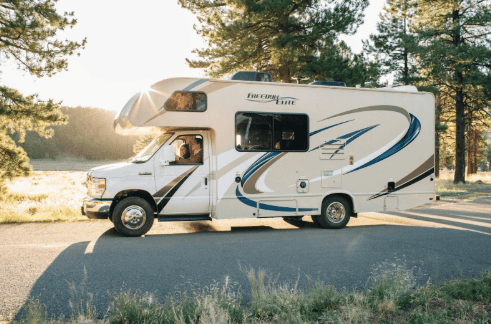
Class C motorhomes strike a balance. They’re roomier than travel trailers and easier to handle than Class As. Travel trailers and fifth wheels deliver generous living space plus the ability to unhitch your vehicle for day trips. Pop-ups and truck campers are compact options that are great for beginners or those who travel light.
How Much Does an RV Cost?
The price will play a big part in your choice. Class A motorhomes cost upwards of $100,000, fifth wheels are typically half that, and you can find small trailers for under $15,000. But the price tag is just where costs begin. You’ll need to consider loans, insurance, maintenance, fuel, and campground fees too.
RV loans are similar to car loans, but rates differ greatly between lenders. Insurance runs higher since it covers both vehicle and dwelling aspects. Maintenance costs can add up fast, so you’ll need to budget for regular oil changes, tire replacements, and roof resealing.
Large motorhomes gulp gas, so think about how much you’ll be spending at the pump. Campground fees range from free public land boondocking to $100 or more per night at premium resorts. Many RVers join membership programs to cut these costs. Don’t forget about taxes and registration. Create a budget that covers all your expenses to avoid later financial shocks.
What Are Some Essential Features and Amenities?
The features your RV offers will impact your travel comfort. In kitchens, check the fridge size, cooking options, and counter space. In bathrooms, the shower size is crucial. Nobody wants to fight with curtains in a phone booth-sized space. Toilet types matter too. Cassette systems need frequent emptying, but they’re easier to manage than black water tanks.
Think carefully about convertible dining areas. Dual-purpose arrangements can help you save space. Living areas need to balance comfort and practicality through clever storage. Don’t forget to test the bed. Climate control is also vital. Inspect the air conditioning and heating thoroughly, especially if you plan to travel to areas with extreme temperatures.
Power systems need careful review. Battery capacity, solar options, and generator connections prove critical for off-grid camping in remote areas. Water tank size affects how long you can boondock. Create a list of must-have features before you start shopping.
What Should an RV Inspection Cover?
Always inspect an RV thoroughly before purchasing it, especially if you’re considering a used model. Start outside. Look for damage, leaks, or poor repairs. Soft spots on the roof signal trouble and potential interior water damage. Check the tires carefully. They may look fine but typically last only five years regardless of tread. Look underneath the RV too. Rust on the frame or undercarriage is a bad sign. And don’t forget to test the battery. Like tires, they typically last five years.
Inside, check for signs of water damage, such as stains, musty smells, or soft floors. Test every component. All appliances, switches, faucets, and climate systems must work perfectly. Window and door seals need to be intact to block moisture. If the rig has slides or awnings, test them multiple times to verify that they work smoothly.
For used RVs, professional inspectors are worth every penny. They catch problems that could cost thousands later. Don’t rush this process. A good walk-through requires at least an hour. Ask lots of questions when making such a major purchase.
What Are Some Best Practices When Purchasing an RV?
Ready to buy? Do your homework on dealers first. Read customer reviews and check with the Better Business Bureau. Know exactly what warranties cover and for how long. Extended service plans might be worth it, especially for complex motorhomes with lots of systems that could fail.
Don’t shy away from haggling. RV prices often have wiggle room, and you might score some free accessories or services. Read that purchase agreement thoroughly. Your life might not depend on it, but your wallet does. Get quotes from multiple lenders before signing anything. The registration, insurance, and title transfer paperwork might feel overwhelming, but good dealers will walk you through it all.
During the final walk-through, have the dealer show you how every system works. Don’t rush through this process, and take videos on your phone to help you remember it all. Ask about delivery options, and make sure you’ve got a proper spot ready at home for your new rolling retreat.
Final Questions To Ask Yourself
Before signing on the dotted line, ask yourself a few final questions. Does this RV truly fit your needs, not just today but for years to come? Can your budget comfortably handle the payments and ongoing costs? Close your eyes and picture yourself using it. Do you feel excited or just okay about it?
Trust your gut but back it with facts. There’s no need to rush. The right RV will still be there tomorrow.
Embark on Your RV Adventure With Blue Compass RV Quad Cities
Buying your first RV marks the start of countless memories waiting to be made. By asking smart questions and doing your research, you’ll set yourself up for success.
Ready to find your ideal rolling home? Our team at Blue Compass RV Quad Cities in Walcott, Iowa, can guide you through the whole process. We know RVs inside and out and can match you with the right one. Your road to adventure awaits, so visit us today.
white and brown van on road during daytime by Roadpass is licensed with Unsplash License