

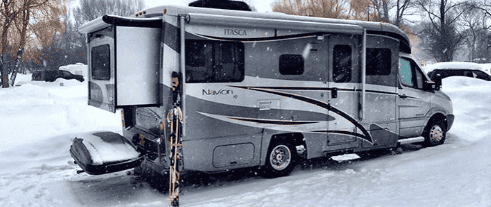
Winter RV camping unlocks snowy adventures and quiet spots that most folks never see. Iowa winters bite hard, with January temps dropping to 12-28 F, so good prep can make all the difference between a magical getaway and a costly nightmare. With the right gear and know-how, you can turn your RV into a snug home base for exploring frosty state parks without fighting crowds. Check out our cold-weather RV tips to discover how you can make the most of winter in Walcott, Iowa, and beyond.
Preparing Your RV for Winter Travel
Getting your RV winter-ready isn’t just about extra blankets. Knowing when to winterize can save you thousands and keep you safe. Water freezes at 32 F, but your RV pipes start having issues around 20 F, especially when cold snaps last over six hours. In Iowa’s brutal winters, pipes can freeze in about 24 hours at freezing temperatures, but when the mercury drops into the teens, you’re looking at just a few hours before trouble hits.
Your water system needs the most attention. If you’re storing your RV or camping without running water, empty your water tanks, drain your water heater, and winterize the lines to save your pipes. If you plan to use water on the trip, the steps in the frozen-pipes section below will help keep it flowing. Rental RVs in cold states often come prewinterized, but that means dry camping unless you add 2-3 gallons of antifreeze, depending on the size of your rig. You’ll also need to blow out furnace debris with compressed air, test everything before you hit the road, and stock up on propane. A 30-pound tank provides approximately 21 hours of heat, as furnaces typically operate for half the time in hourly cycles.
Must-Have Cold Weather Camping Gear
There’s no end of appliances and accessories for cold-weather RVing. Electric space heaters work great for Iowa winters when you have shore power, and ceramic models provide dry heat without burning propane. Vent pillows can save hundreds by blocking heat-leaking roof vents. If you’re traveling as a couple, you can get electric blankets with dual controls or weighted blankets that trap body heat naturally. Waterproof clothes, slippers for cold floors, and hand warmers are also worthwhile investments.
Be sure to pack snow shovels, ice scrapers, a device with access to weather apps, and extra noncook food. Carbon monoxide detectors with 10-year batteries are also essential, and you should check them regularly. Emergency kits should include fire extinguishers, first-aid supplies, and tire monitors, along with quality headlamps, waterproof matches, 60-day lanterns, and power banks. These items are essential for handling power outages and keeping devices running when hookups fail.
Insulation and Skirting Tips To Keep Heat In
Window insulation can be great value. Plastic film that can be shrunk with a hairdryer is incredibly effective at trapping air. Additionally, cutting bubble wrap to fit your windows allows you to let light in while keeping the cold out. Reflectix blocks 96% of heat loss through windows, while heavy thermal curtains sealed to walls with Velcro stop drafts that make your RV feel way colder than the thermometer shows.
Pro-grade vinyl RV-skirting wraps create air barriers that hold heat, costing anywhere from $150 to several thousand, depending on quality and custom sizing. Tests show that without skirting, an RV interior can drop 12 F in one hour, compared to just 5 F with AirSkirts, even with extreme weather outside. AirSkirts inflate in about 15 minutes, making them perfect for Iowa’s wild weather swings.
For more DIY options, consider stacking hay bales around your RV base to block the wind. In heavy snow, you can also pack it around battery compartments for natural insulation. Many campers also use materials such as PVC-coated canvas, vinyl, foam board, or thick plastic. For added insulation, consider adding foam under slide-outs, installing throw-down rugs on bare floors, plugging overhead vents, and replacing worn weather stripping around doors and windows.
How To Safely Heat Your RV
Choosing the heater for your RV can be daunting, but there are plenty of good options. Electric space heaters don’t create moisture, ceramic towers have remote controls, and electric mattress pads warm beds perfectly. These all work great at Iowa campgrounds with solid electrical service.
Propane provides freedom from hookups but demands caution. Your RV’s built-in furnace should handle most of the heating, since it vents to the outside and also warms the underbelly to protect your plumbing. If you add a portable propane heater, only use one rated for indoor use, keep a window or vent cracked for fresh air, and never leave it running while you sleep.
Propane safety is important. Make sure your carbon monoxide and propane detectors work, test them regularly, and never bring outdoor-rated heaters inside. Burning propane also creates moisture, which causes condensation in sealed RVs, so crack a vent while it runs.
How To Keep RV Pipes From Freezing
Heated water hoses keep external lines flowing, and heat tape around exposed pipes can prevent freezing. Sometimes disconnecting from park water and using onboard tanks with pumps gives better control. If you’re camping with water hooked up, leave a faucet dripping overnight, since moving water needs colder temps to freeze.
Be mindful of tank heaters on fresh, gray, and black tanks. Keep your furnaces running to warm the areas under your plumbing. Only dump tanks when full to prevent sewer hose freezing, and use hose supports or remove hoses during extreme cold.
Prevention costs pennies compared to repairs, which can run into the thousands for frozen pipes. Below about 20 F, unprotected plumbing can freeze in hours or faster with wind chill. Make sure your lines are well protected well before that.
Driving and Parking Tips for Winter Conditions
Consider snow chains without winter tires, though rental companies such as Cruise America forbid chains due to damage risks. To be safe, check your tire tread and whether you have four-wheel drive before you travel. RVs typically have rear-wheel drive, making ice stops trickier than in cars.
Slow down when driving. What feels fine in cars gets dangerous in top-heavy RVs. Double your following distances, ease onto the brakes gently, and use low beams in snow for better visibility. At Yosemite, chains are required from November to March, with 25 mph limits in chain areas. Mountain roads such as Wawona and Big Oak Flat require chains most often.
Sequoia and Kings Canyon parks rank as the most dangerous winter destinations. Watch the weather outlook obsessively, factor in extra days for delays, map backup routes carefully, and stick to plowed campgrounds. Popular spots include Mount Hood Village, Breckenridge RV Resort, and the Sierra Nevada Campground, which has plowed sites and indoor pools.
Stay Warm and Safe on Your Winter RV Adventures
Winter RVing takes more work than summer trips, but those magical snowy spots and quiet campgrounds will reward you if you want year-round value from your rig. If you’re tackling your first cold-weather trip or improving your winter setup, having good equipment and solid advice can make all the difference. If RV camping interests you or you need supplies for winter adventures, contact us at Blue Compass RV Quad Cities in Walcott, Iowa, for practical advice and quality gear that’ll keep your cold-weather trips safe and comfy.
Where’s your favorite winter #RV camp site? by Ark PP is licensed with CC BY 2.0