

Keeping your RV in good shape safeguards your investment and saves you cash and stress on your travels. Learning practical preventive solutions and repair techniques can help you avoid costly fixes while extending your RV’s life span and retaining its resale value. At Cheyenne Camping Center in Walcott, Iowa, we’re here to discuss the most common RV repairs and how to minimize them. Here are some guidelines and tips to keep your traveling home running safely for comfortable, stress-free adventures.
Plumbing and Water Systems Issues
Problems with plumbing and water systems account for about 20% of RV repairs. To minimize these issues, regularly check for leaking pipes, frozen lines, and toilet malfunctions. Look for warning signs, such as an overactive water pump, damp spots, weird smells, or mold, and hand-tighten any loose plumbing connections. To avoid clogged toilets, stick to RV-specific toilet paper and clean bowls and seals often.
Save water to reduce system strain by turning faucets off while brushing your teeth and using spray nozzles for dishwashing. This extends the life of your pump and means fewer water tank refills. Take note of any plumbing noises or pressure changes, and act quickly. In your RV’s tight space, small problems can quickly become big ones.
To avoid cold-weather damage, winterize your RV. Drain water tanks, empty the water heater, flush lines, and add the specified RV antifreeze. A few hours spent on these tasks beats unnecessary dollars spent on repairing cracked fittings and tanks or burst pipes come spring.
Electrical Systems and Battery Management
Electrical failures cause approximately 25% of RV breakdowns, so they should top your maintenance list. Most RVs have two electrical setups — a 12-volt DC system running off batteries and a 120-volt AC system using shore power or generators. The main components include converters, inverters, batteries, and generators. Understanding how these systems work together can help you spot problems early.
Check batteries regularly to keep your electrical system running smoothly. Ensure you check the water levels monthly and add distilled water as needed. Even maintenance-free AGM and lithium-ion batteries need regular inspection. Keep the terminals clean and tight as corrosion builds up fast and stops the electrical flow. And remember to use a surge protector when you plug your rig into shore power — one lightning strike or power surge can fry your whole system.
To put less strain on your system, switch to LED lights that use less power. If you notice flickering lights, tripping breakers, and appliances acting weirdly, it’s time to get your electrical system looked at by professionals. Electrical stuff can be dangerous, so don’t mess with it if you’re not 100% confident — you don’t want to start a fire or get a nasty shock.
Tires and Brake Systems
Tires and brakes are crucial in keeping you safe on the road, so ensure you check tire pressure with a digital gauge before trips. The correct pressure improves fuel economy, extends tire life, and prevents blowouts. Look for cracks, bulges, or uneven wear and replace RV tires every five to seven years regardless of mileage because rubber deteriorates with age and exposure to sunlight.
Have your brakes inspected annually or every 12,000 miles, checking adjustment, magnets, linings, cylinders, lines, and wiring. Squealing, grinding, and reduced stopping power means you need professional help immediately. Ensure your breakaway system is always working perfectly, too.
Load affects tire and brake life, and overloading or uneven weight distribution accelerates wear. Use truck scales to ensure you’re within manufacturer limits. Regular upkeep saves money and keeps your family safe on the road.
Roof and Structural Integrity
RV roofs are built using different materials, each one needing different care. EPDM rubber and TPO need cleaning and UV protection, while fiberglass and aluminum require damage checks and proper sealing. Inspect your roof often, particularly after bad weather, for cracks, tears, and split seams, especially near vents, AC units, and antennae where leaks start. One tiny crack during heavy rain can turn a $50 repair into thousands in damages.
Inside, look for warning signs such as stains, soft spots, or wrinkles near doors, windows, and ceiling fixtures, as these signal water intrusion. Clean your headliner per manufacturer instructions and reseal seams and fixtures every six to 12 months. Roof repairs cost upward of $1,000, so early detection is crucial.
Structural issues seldom happen, but watch for delamination — outer fiberglass peeling from inner walls — or spongy floors showing water damage or weakness. If you notice these problems or have an RV over 10 years old, have it professionally inspected. Timely repairs prevent major interior damage and maintain your RV’s resale value.
Other Common Repair Areas and Preventive Solutions
Slide-outs and awnings can be some of the most expensive RV repairs, so they need regular care. Clean and lube slide mechanisms and check the seals monthly. Use nonbleach cleaners for awnings, always retracting them during rain and winds over 20 mph. Well-maintained awnings can last 15 years instead of five to seven years.
Appliances and heating and air conditioning units also need regular attention. Change air filters, clean air conditioning coils, and service your fridge annually. Check the exterior sealants twice a year and replace them as needed. To protect your frame, suspension, and tires from unnecessary damage, always keep within the recommended weight limits.
Create a maintenance schedule outlining monthly, seasonal, and yearly tasks and what to do before trips. Document everything and follow manufacturer guidelines. Also, consider annual professional inspections. Maintenance costs time and cash, but it beats breaking down in the middle of nowhere or facing major repairs that upkeep could’ve prevented.
Keep Your RV in Peak Condition
Proper RV system use and regular checks with prompt repairs don’t just stop breakdowns — they improve your rig’s reliability and value. Consider that a new Class A motorhome typically loses 30% of its value after three years, whereas a well-maintained RV depreciates at a slower rate.
Following our advice can help extend the life span of your RV and prevent major repairs. That means more camping fun and less time stuck at repair shops wasting your vacation money. Your RV isn’t just for transportation — it’s your home away from home, and it deserves the same care as your regular house.
Get Expert Assistance at Cheyenne Camping Center
When you need expert help with RV maintenance in Iowa or just want to check out the newest RV gear, visit or contact us at Cheyenne Camping Center in Walcott. Our team can assist you in keeping your RV in great shape, setting you up for many years of awesome camping trips and unforgettable adventures. Safe travels and happy camping.
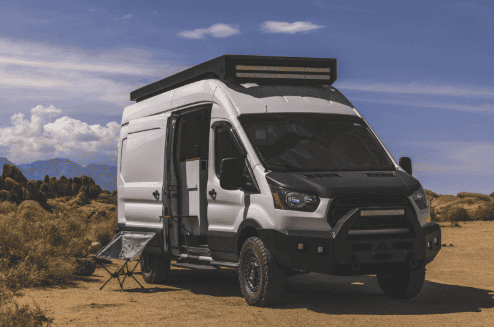
white and black van on brown soil during daytime by Leo_Visions is licensed with [Unsplash License]